Acidic water is the most common water problem on our ground, and the one that quietly costs you the most if you ignore it. It eats copper out of your pipes until they leak. At Fayetteville Well Pump Repair, we size a calcite tank against your measured pH and your household flow. A neutralizer runs $1,195 to $1,895. Repiping a house costs several times that. Pricing sits on our well pump cost page.
Sandy ground here makes naturally acidic water. Nothing is wrong with your well and nothing has contaminated it. Rain filters through sand that cannot neutralize it, so the water arrives low in pH and stays that way. That is why we find this across whole neighborhoods rather than at one house.
The damage is corrosion. Acidic water strips copper off the inside of your pipes and carries it to the fixtures. You see it first as blue-green stains. Pinhole leaks follow years later. So pH correction is a plumbing investment rather than a taste one, and it usually pays for itself well before the tank needs new media.
What is actually wrong
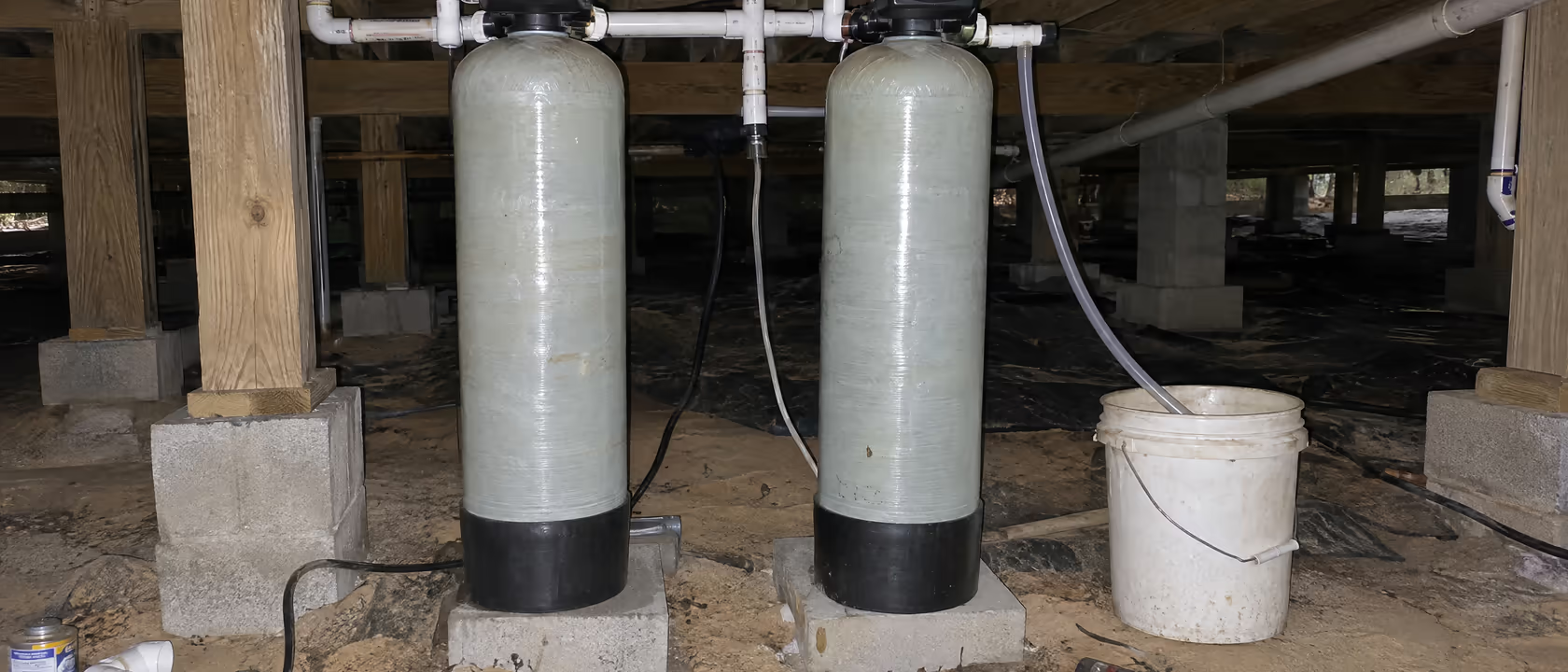
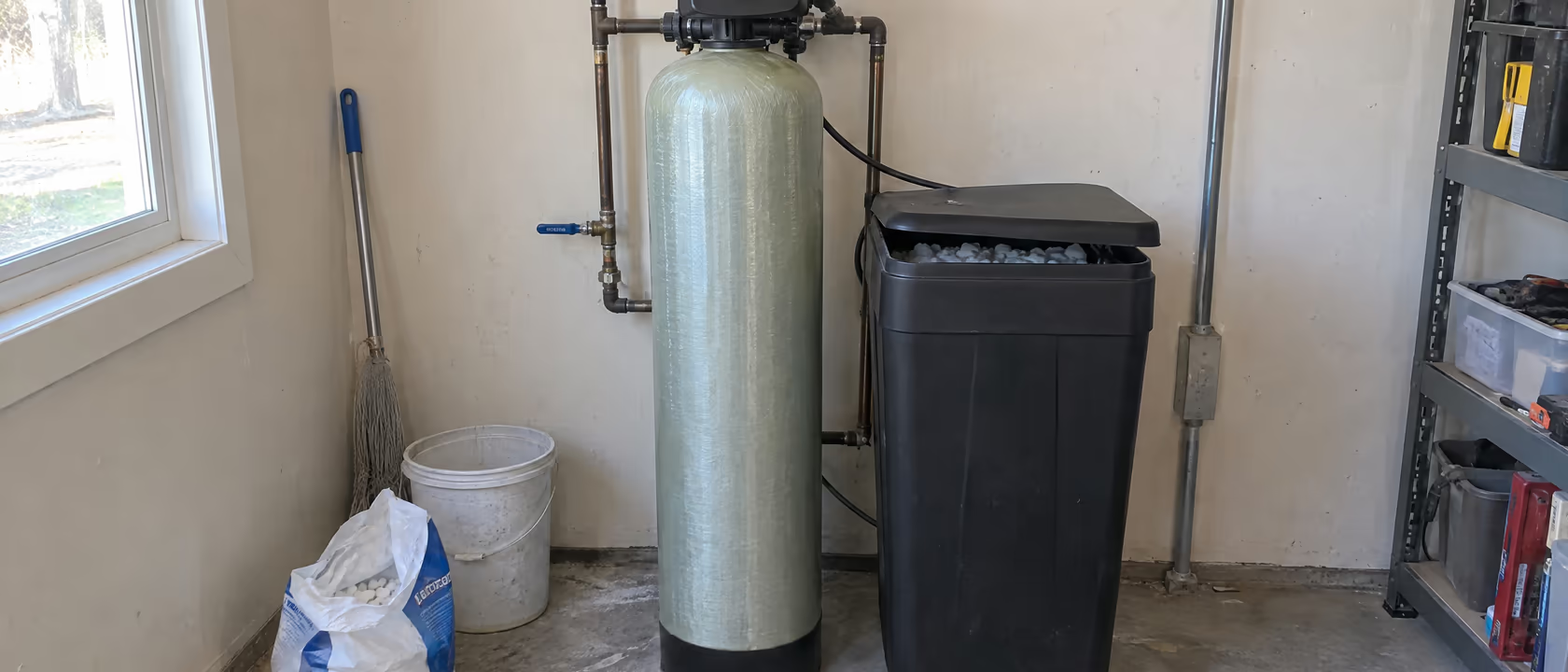
Calcite beds, the standard answer
Your water runs through a bed of crushed calcite that dissolves slowly and raises the pH back toward neutral. A Fleck 5600SXT head backwashes the bed so it does not pack down. We top the media up now and then rather than replacing the lot, which keeps your running cost low. A Pentair cartridge housing ahead of the tank catches the fine grit the bed sheds.
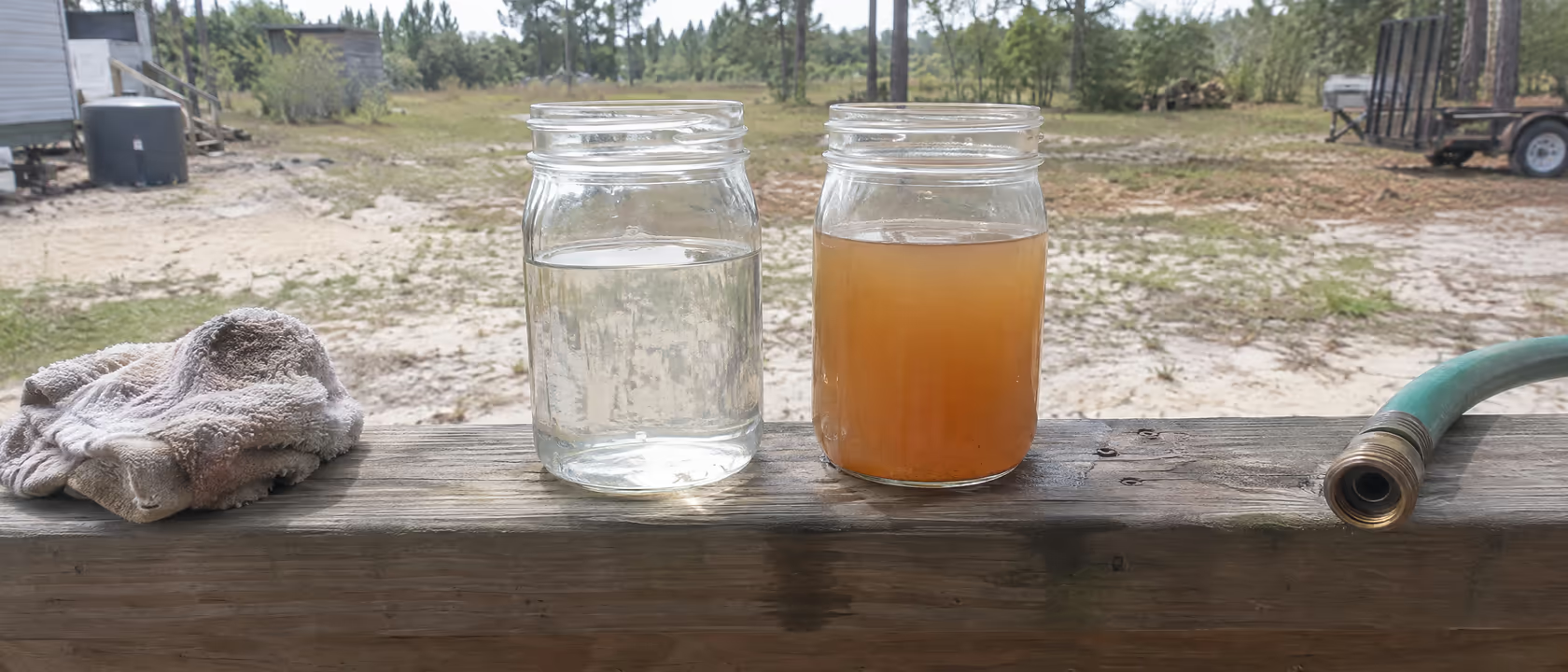
Calcite plus magnesium oxide
Where calcite alone cannot lift your pH far enough, we blend in magnesium oxide to reach higher. It also adds hardness as a side effect. On a house that was previously soft, that is the point where we would talk to you about a softener as well.
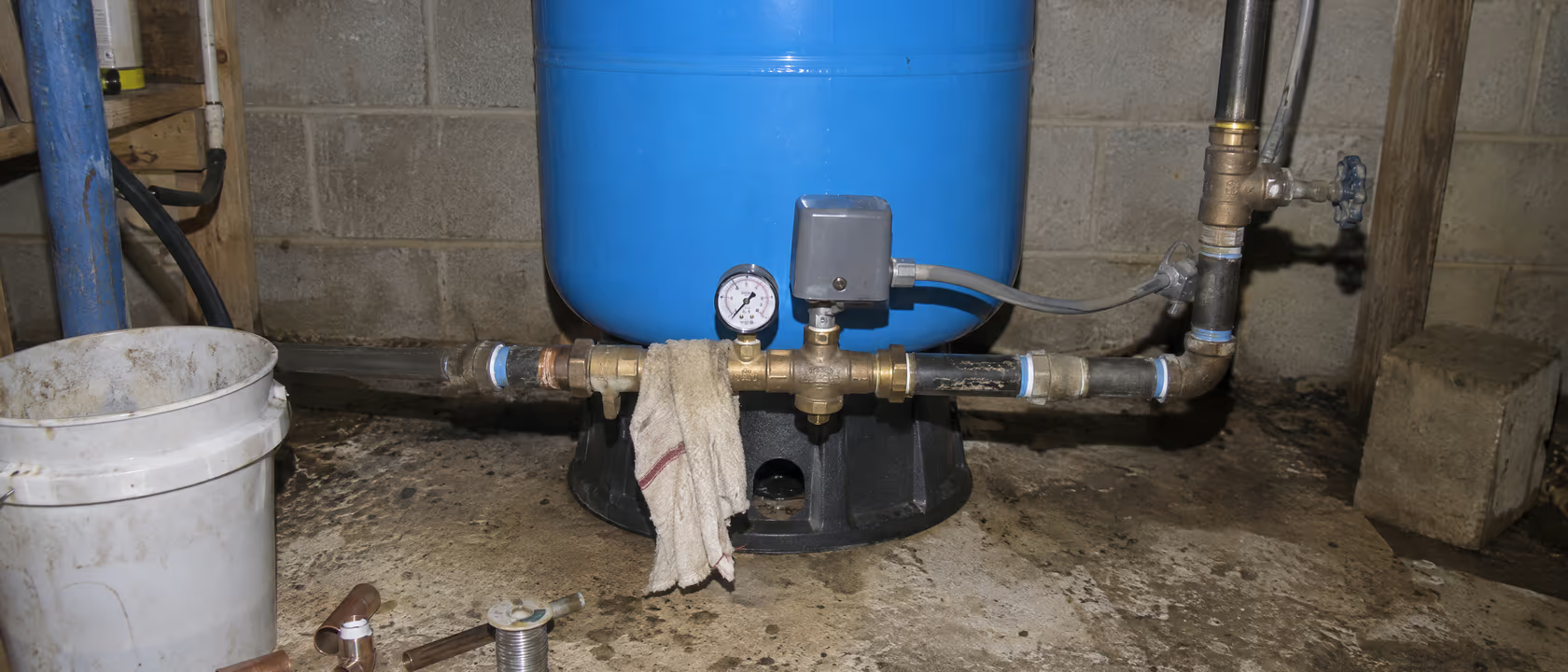
Soda ash injection instead of a tank
We fit a small metering pump that injects solution ahead of your Amtrol Well-X-Trol tank. It adds no hardness at all. We use it on very low pH and on houses where a backwashing tank will not fit. You have to top the solution up and maintain the pump, so it trades a media job for a mechanical one.
Where the neutralizer sits in the line
pH correction goes after sediment and before iron removal, because oxidizing media does not work properly below its design pH. A neutralizer fitted after an iron filter fixes your pipes and leaves the iron stage underperforming. That is the sequencing mistake we correct most often.
How we work it out
-
Measure the pH and look at the fixtures
We take a lab pH reading and check your fixtures on the same visit. The number and the blue-green staining together confirm two things: the chemistry, and the fact that it is already working on your plumbing.
-
Size on flow, not on house size
We size the tank against your measured flow rate, not your square footage. How long your water sits in the bed decides how far the pH rises, and flow rate decides that contact time. A tank too small for your peak draw under-corrects at exactly the moment you need it most.
-
Check your pump can backwash it
We check that your pump can actually clean the bed. A calcite bed lifts during its cleaning cycle, and a Franklin Electric motor on a modest pump end may not supply the flow a large tank needs.
-
Commission and recheck
We measure pH at a fixture once the bed has settled in. Then we run a follow-up panel to confirm the correction is holding across your normal usage.
Why this one is worth doing before the staining bothers you
The damage is to your pipes
Copper dissolved out of a pipe wall does not go back. Repiping a house costs several times a $1,195 to $1,895 neutralizer. That makes correcting pH early the cheapest plumbing decision available on acidic water.
Test the metals, not just the pH
Acidic water carries whatever it dissolves, so we run the panel for copper and lead alongside pH. NGWA guidance puts a full chemical panel at every three years, and acidic water is exactly the case where that interval is worth keeping.
This is chemistry, not contamination
Low pH here comes from the ground rather than from anything wrong with your well. Your well record and wellhead condition are still worth checking, because a well drawing from the wrong layer is a separate problem a neutralizer will not reveal.
Numbers worth knowing
| Neutralizer installed | $1,195 to $1,895 |
|---|---|
| With softener | $2,695 to $2,995 |
| Lab panel | $50 to $200 |
| Media | Calcite, or calcite blend |
| Position in train | After sediment, before iron |
| Local pattern | Soft and acidic groundwater |
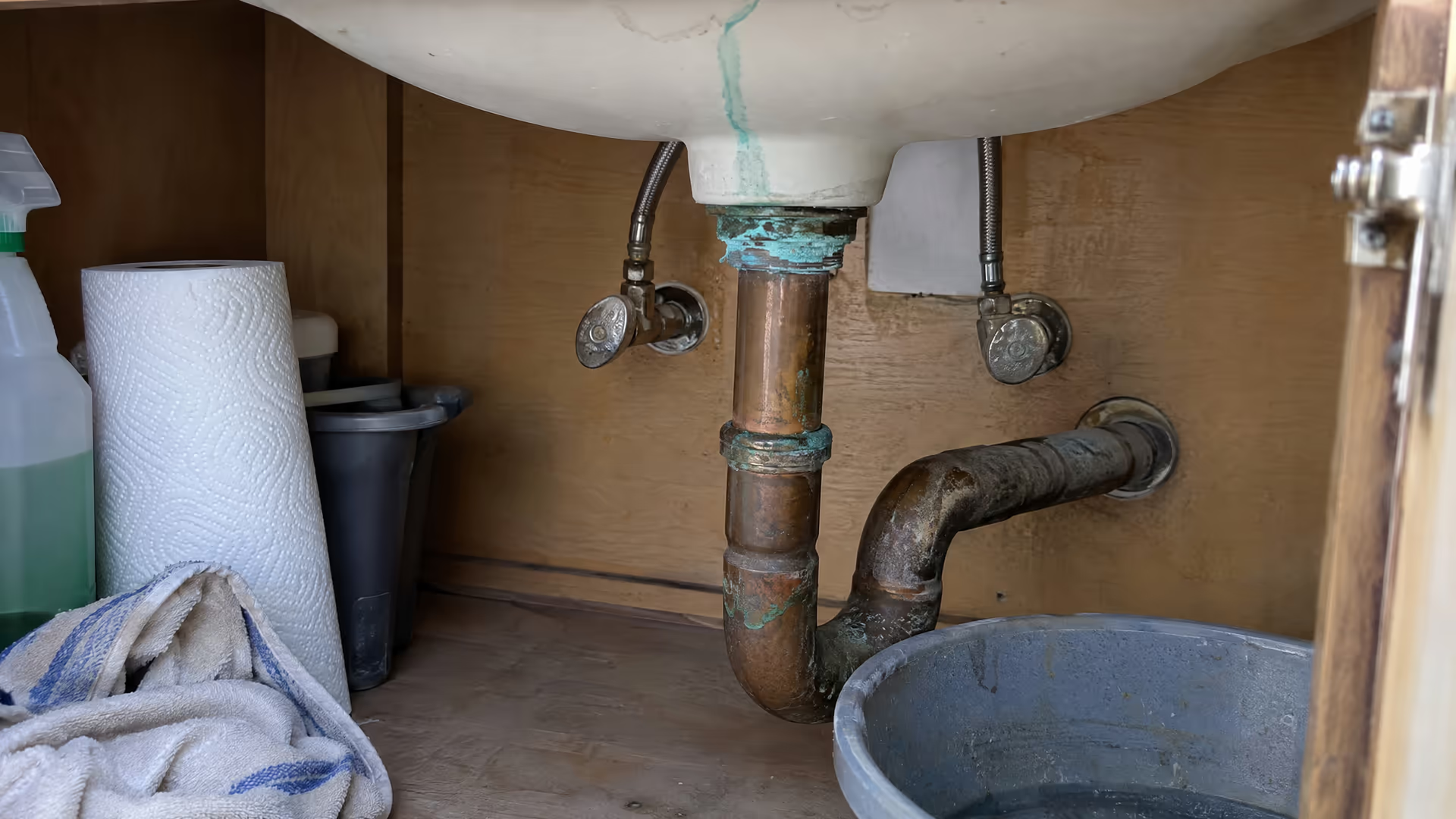
A complete well water treatment system runs $1,500 to $6,500 installed. What you need depends on what a lab test finds, which is why the test comes first and costs $50 to $200.
| What the job is | Typical range | Unit |
|---|---|---|
| Lab water testTells you what is actually in the water and what equipment is the right size. Buying treatment without it is guessing. | $50 – $200 | per test |
| Sediment filterFirst stage. Catches the sand that Coastal Plain wells produce. | $145 – $195 | installed |
| Point-of-use reverse osmosis, kitchen tapDrinking water only, not whole-house. | $595 | installed |
| UV disinfectionHandles bacteria without chemicals. Bulb replacement runs $145 to $160 a year. | $895 – $995 | installed |
| Acid neutralizer, pH correctionCoastal Plain groundwater runs acidic, and low pH eats copper pipe and stains fixtures. | $1,195 – $1,895 | installed |
| Carbon filterTaste and odor. Backwashing units sit at the top of the range. | $1,495 – $2,495 | installed |
| Water softenerSalt runs about $125 a year. | $1,695 – $1,895 | installed |
| Iron and sulfur filterOrange staining and rotten-egg smell. The two most common complaints on iron-rich sand aquifers. | $1,795 – $2,195 | installed |
| Acid neutralizer plus softener packageCheaper together than separately. | $2,695 – $2,995 | installed |
| Complete treatment systemDepends entirely on what the test finds. | $1,500 – $6,500 | installed |
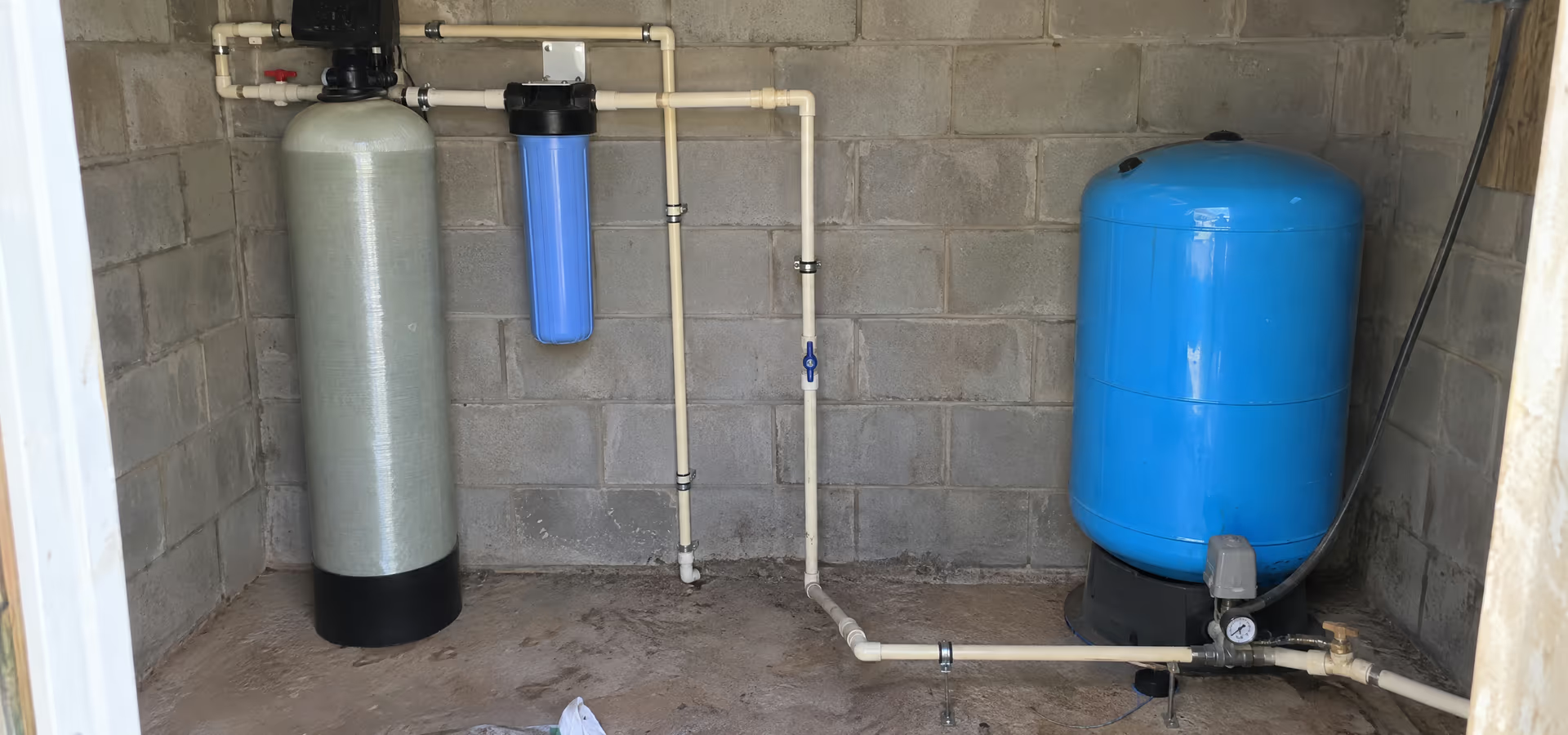
Blue-green staining is not a stain. It is your plumbing arriving at the sink a little at a time.Cumberland County, NC
Who we work for
- Well and Pump Service for Farms Stock water, wash-down, irrigation and a farmhouse on one well. Sized on sustained draw, not acreage.
- Well Service for Mobile Home Parks Shared supply with tenants attached. Past 15 connections it stops being a private well at all.
- Well Service for Churches and Camps Idle most of the week, then a full building. The hardest duty cycle in private water supply.
Want it priced properly?
On-site estimates are free, itemized, and written down before any work starts.
Questions we get asked
Why is my well water acidic?
1 characteristic of the Coastal Plain explains most of it: rainwater filters through sandy soil with little buffering capacity and reaches the aquifer with a low pH. It is a formation trait rather than contamination.
What does an acid neutralizer cost?
$1,195 to $1,895 installed covers a calcite neutralizer on a residential well. Paired with a softener the package runs $2,695 to $2,995, which is the common combination where blended media raises hardness.
What causes blue-green stains on my fixtures?
1 process causes it: acidic water dissolving copper from inside the pipework and depositing it at the fixture. The stain is evidence of ongoing corrosion rather than a surface deposit.
Can low pH damage my plumbing?
$1,195 to $1,895 for a neutralizer against the cost of repiping a house is the arithmetic here. Acidic water thins copper from the inside continuously, and pinhole leaks follow years of it.
Who installs acid neutralizers near me?
Fayetteville Well Pump Repair installs calcite neutralizers and soda ash systems across Fayetteville and Cumberland County, sizing for contact time against the property's measured peak flow.
Does a neutralizer make the water hard?
1 media choice decides that. Straight calcite adds a little hardness, and a calcite blend with magnesium oxide adds noticeably more, which is why the panel is rerun after commissioning.
Low pH is the finding most likely to be shrugged off, because the water tastes fine and the staining looks cosmetic. The cost sits in the pipework and it accrues quietly for years before the first pinhole leak makes it obvious. A panel establishes it and a calcite bed corrects it. Well water filtration systems covers where this stage belongs in the sequence, and water softener work covers what changes if a blended media is used.