An unused well is an open pipe straight down into the water everyone drinks. Abandonment seals it. At Fayetteville Well Pump Repair, we seal old wells to the state standard rather than covering them, because a concrete slab over a casing stops people falling in and stops nothing else. Sealing costs a fraction of the $6,500 to $11,500 a replacement well cost you. Figures sit on our well pump cost page.
Old wells turn up constantly on rural property here. A new well went in during the 1990s and the original was left where it stood. A property changed hands and nobody mentioned the second casing behind the shed. It is out of sight, out of use, and still connected to the same water everything else draws from.
What makes it dangerous is direction. Surface water, fertilizer, fuel and anything else that reaches the top of that casing runs straight down a clear pipe with nothing filtering it on the way. One abandoned well can affect your neighbors' water, not just yours. That is why sealing it properly is not optional. An open 6 in bore reaching 180 ft carries whatever enters it straight past every layer of soil above.
What is actually wrong
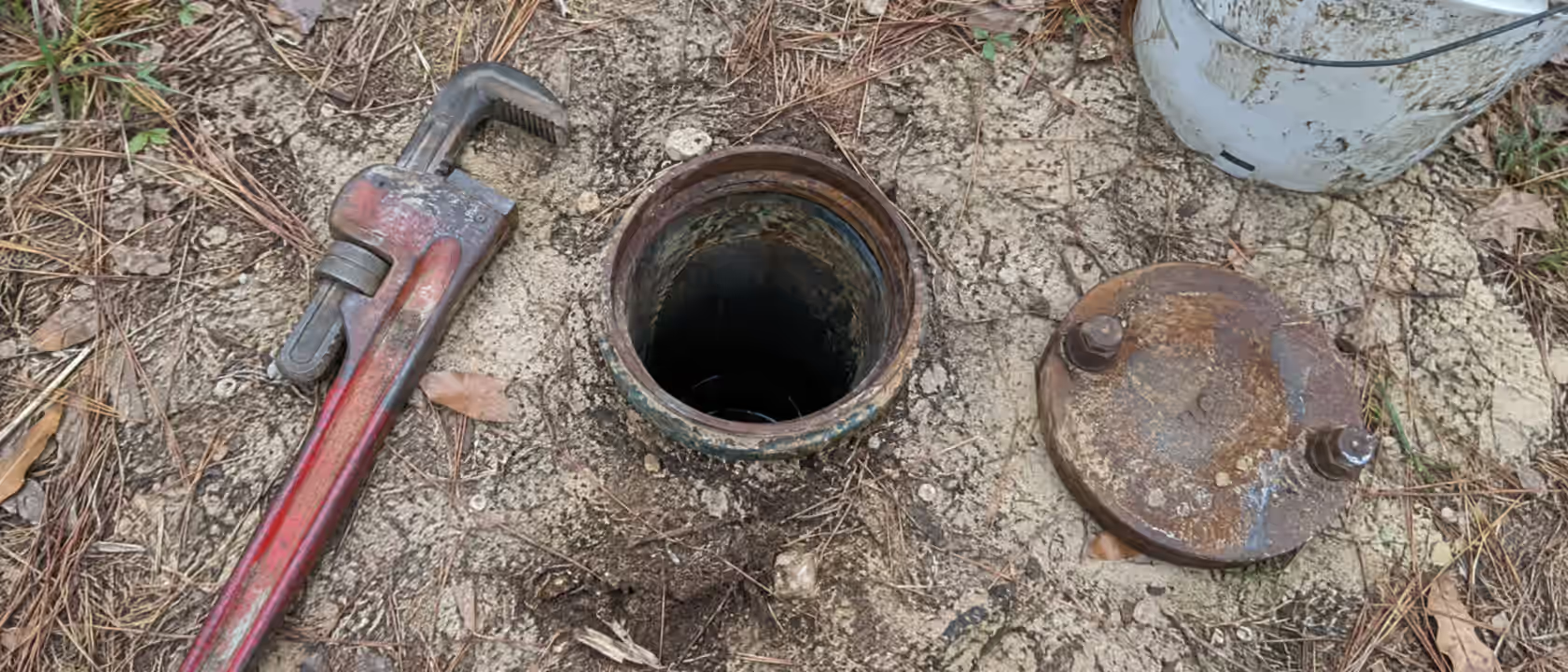
A well replaced by a newer one
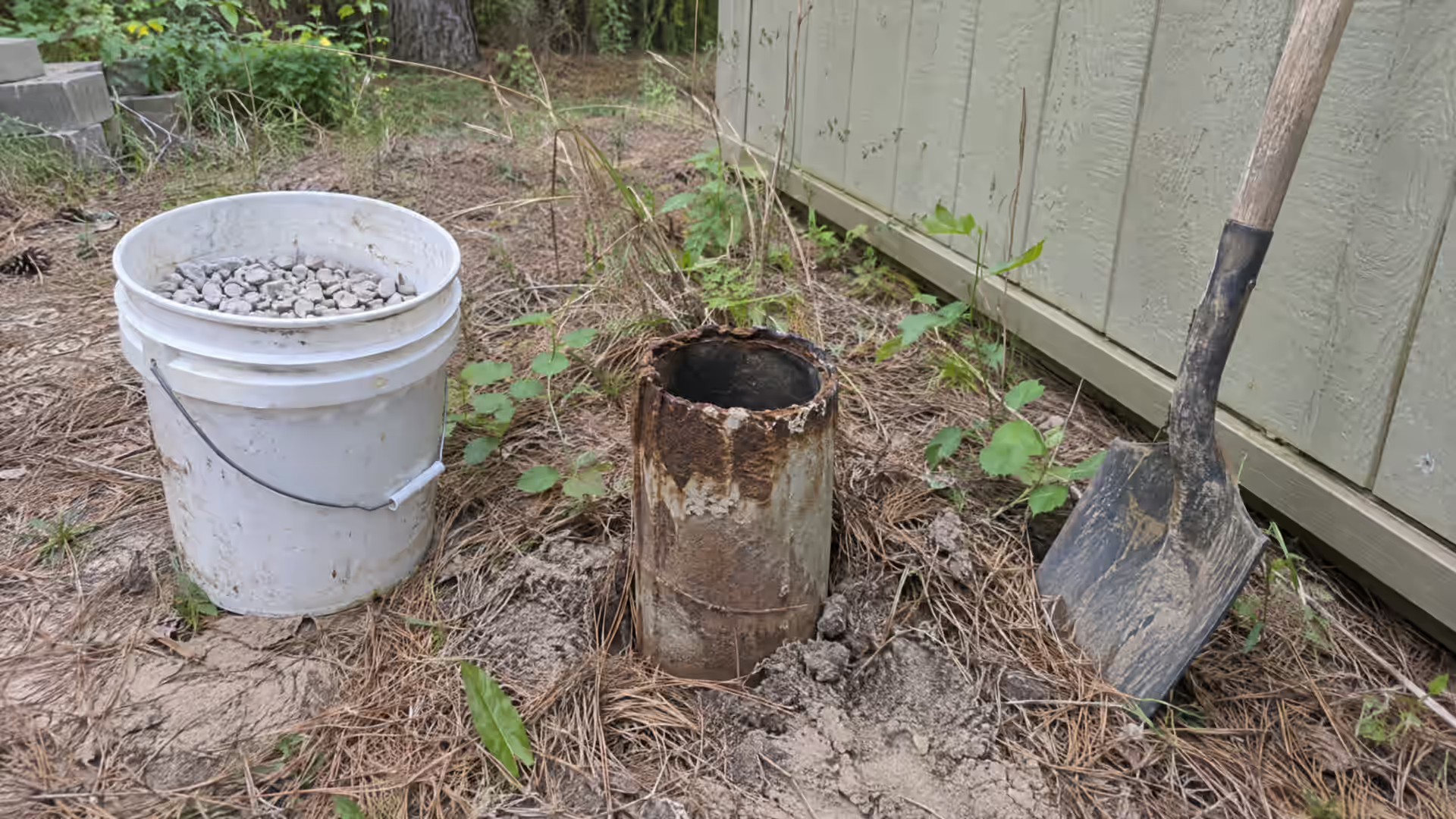
This is the common case. You drilled a deeper well and the original stayed in the ground with the pump pulled out. The casing is often still open at the top under a sheet of plywood or a paving slab. Neither of those is a seal in any sense the rules recognize, so we close it properly.
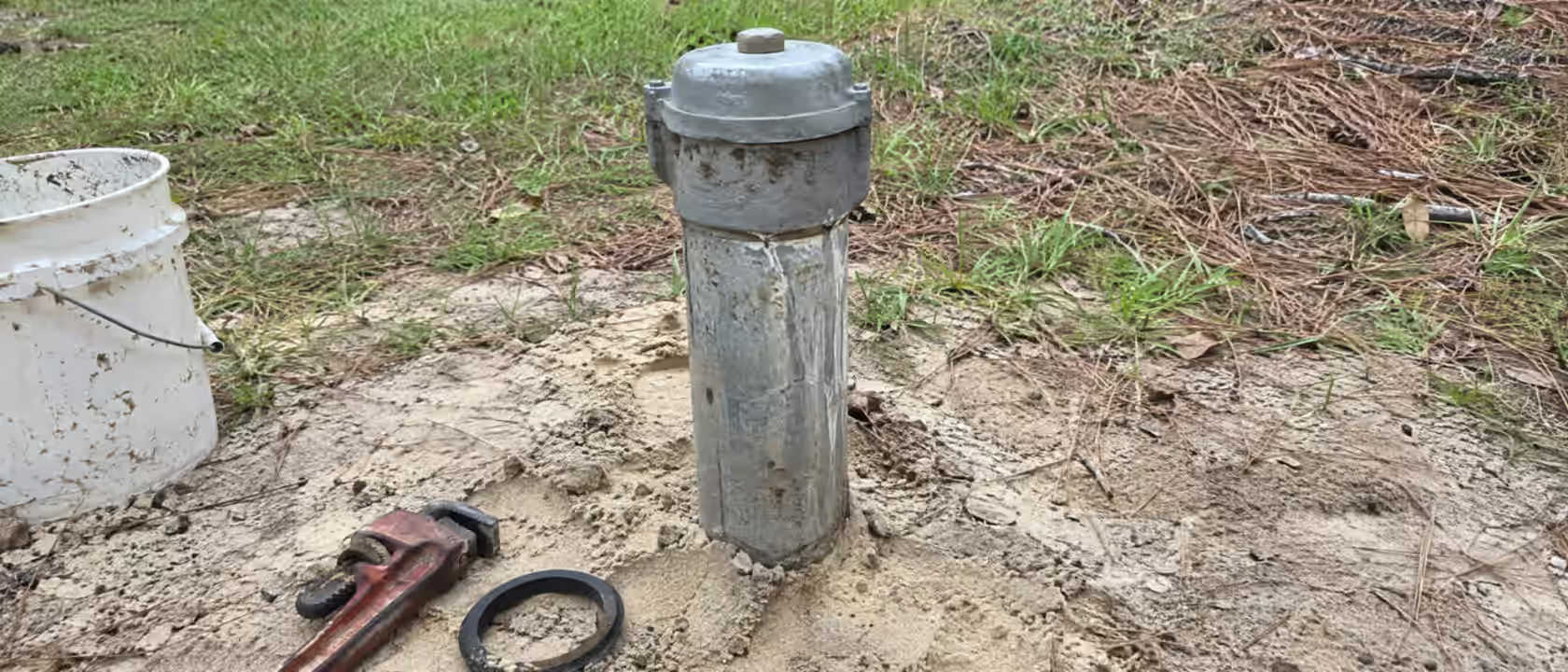
A well found during a sale
A survey or an inspection turns up a second casing nobody knew about, and the sale needs it dealt with. We handle abandonment as straightforward work with a documented outcome, which is exactly what a closing needs. Well inspections cover the testing side of the same situation.
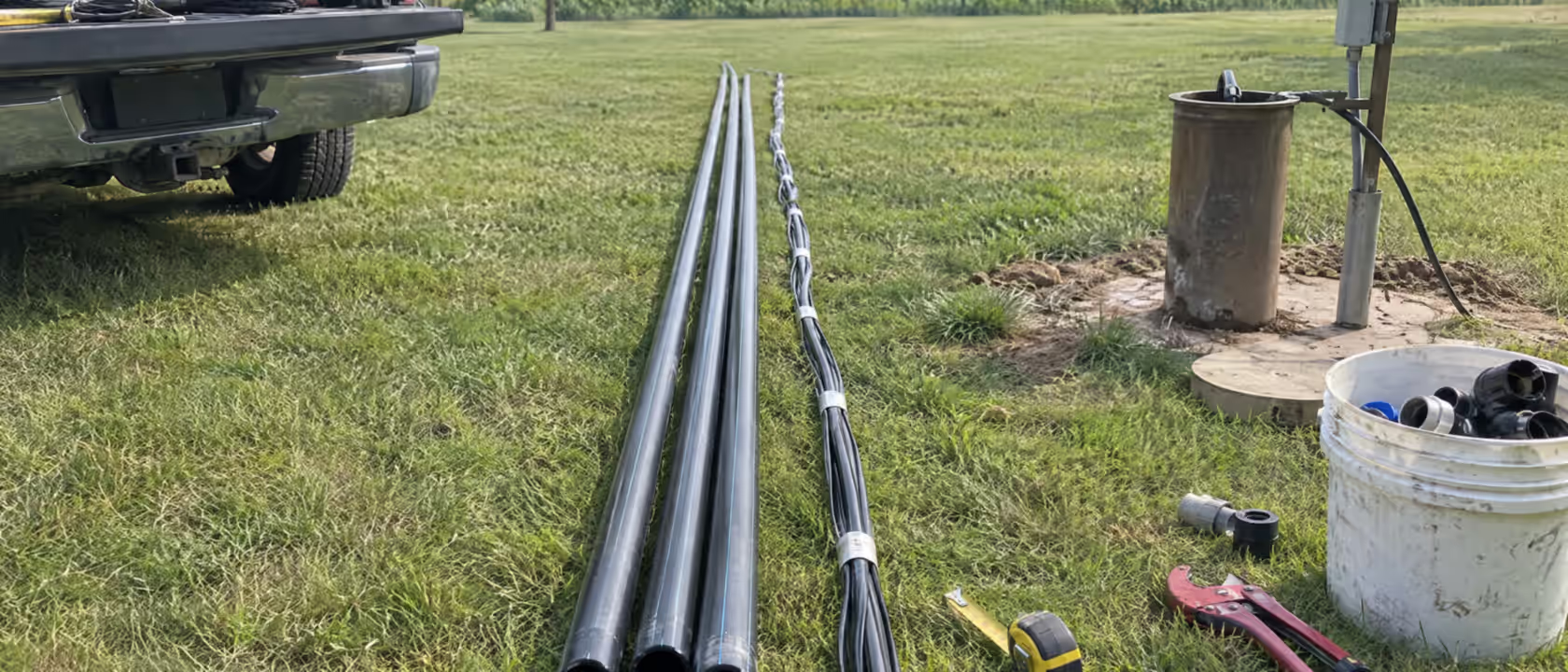
A well that failed and cannot be repaired
A casing holed inside the water-bearing layer cannot be brought right. Neither can a well sited too close to a septic drainfield. Once your replacement is drilled, the old one is a liability rather than a spare, and we treat sealing it as part of finishing the job.
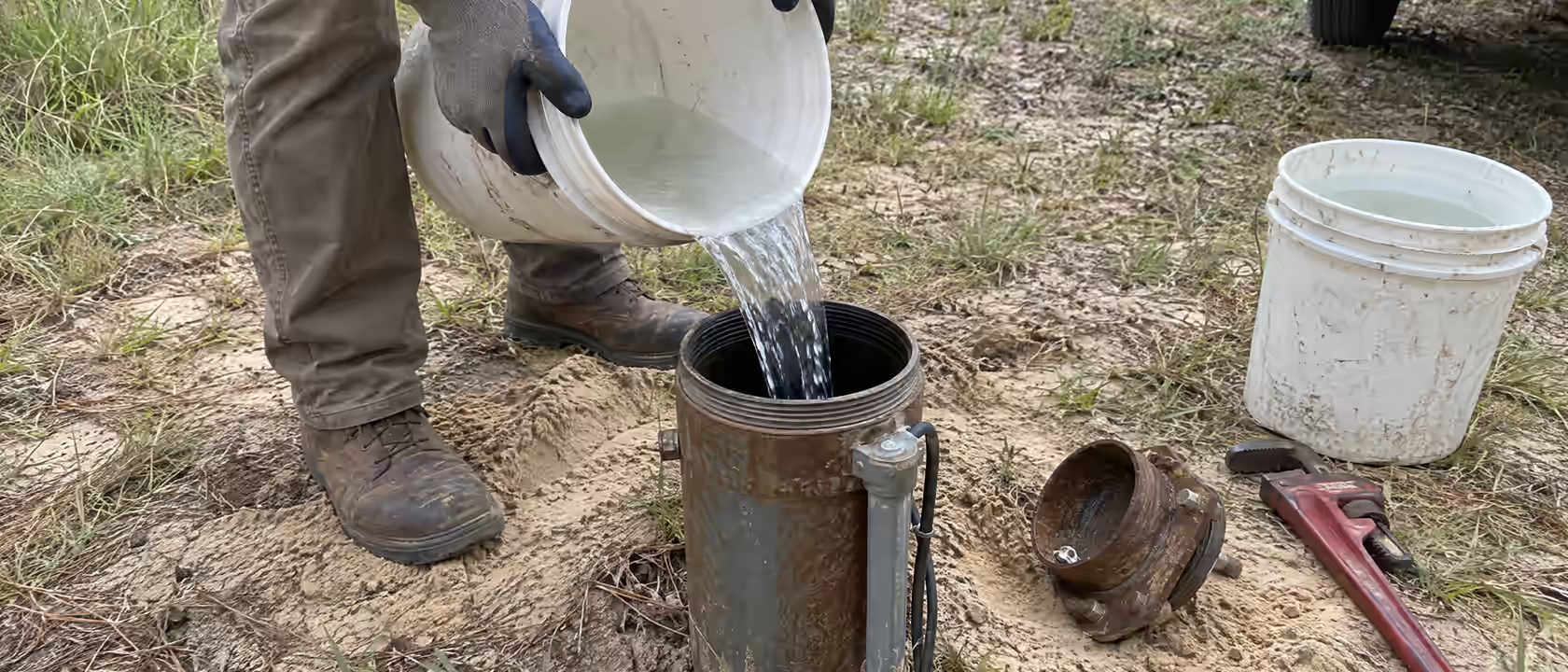
Capping is not the same as abandonment
A sealed Baker Water Systems cap on a sound casing keeps a usable well safe while it is out of service. That is a different thing from closing it. We cap a well you plan to use again. We abandon one you do not, and that ends it permanently and gets recorded as such.
How we work it out
-
Establish what is down there
We measure the depth, the casing material and anything blocking the hole. Your Goulds pump end, its Franklin Electric motor, the drop pipe and the wire all come out before anything can be sealed. We cut the Merrill pitless out of the casing wall with them.
-
Check the record
We pull the well record filed with NC DEQ. It gives us the construction details that decide the sealing method. Where no record exists, we sound and log the well before starting.
-
Seal from the bottom up
We place grout from the base of the hole upward so no gaps remain. Filling from the top leaves voids that keep the pathway open below them, which defeats the whole point.
-
Cut, cover and document
We cut the casing below ground level, restore the surface, and record the abandonment. That way the next owner and the county both know your well is closed.
This is one of the few well jobs that is genuinely mandatory
The standard is set, not suggested
15A NCAC 02C covers abandonment as well as construction. It requires the hole sealed to full depth rather than capped at the surface. A slab poured over an open casing satisfies nobody and leaves the pathway exactly as it was.
The county wants to know
The county health department holds the records for private wells locally. An abandonment that goes unrecorded leaves a closed well looking open on paper. That matters most at a sale, when the paperwork is the only evidence anyone has.
An open hole affects your neighbors
Contamination entering an unsealed well does not stay under one property. It reaches the water every well in the area draws from. That makes abandonment a shared obligation rather than a matter of tidying up your own yard.
Numbers worth knowing
| Governing rules | 15A NCAC 02C |
|---|---|
| Sealing method | Grout, bottom upward |
| Not acceptable | Surface cap or slab only |
| Removed first | Pump, pipe and wire |
| Casing | Cut below grade |
| Outcome | Recorded abandonment |
A complete residential well in the Fayetteville area runs $6,500 to $11,500. Coastal Plain sand drills faster and shallower than the Piedmont rock an hour west, which is why the same well costs less here than it does in Raleigh.
| What the job is | Typical range | Unit |
|---|---|---|
| Complete well, Coastal Plain (Fayetteville, Cumberland County)Typical depth 100 to 250 ft. Sand aquifers drill fast and predictably. | $6,500 – $11,500 | complete |
| Complete well, Sandhills transition zoneTypical depth 150 to 350 ft. West of the county line the geology starts changing. | $8,000 – $13,500 | complete |
| Complete well, Piedmont (for comparison)Fractured crystalline rock means slow drilling and real dry-hole risk. Not our geology. | $9,200 – $16,500 | complete |
| Drilling rate, North CarolinaExtra footage to reach a reliable aquifer bills at the same per-foot rate. | $28 – $60 | per foot |
| Casing, Coastal PlainCheaper here than the $1,200 to $3,000 a Piedmont well needs. | $400 – $1,200 | installed |
| Cumberland County well permitPaid to the county health department. A house well is $320 including the inspection and the bacteria, chemistry and nitrate samples; an irrigation or agricultural well with no sample is $275, from the county fee schedule posted in 2022. Well construction cannot legally start without it. | $275 – $320 | permit |
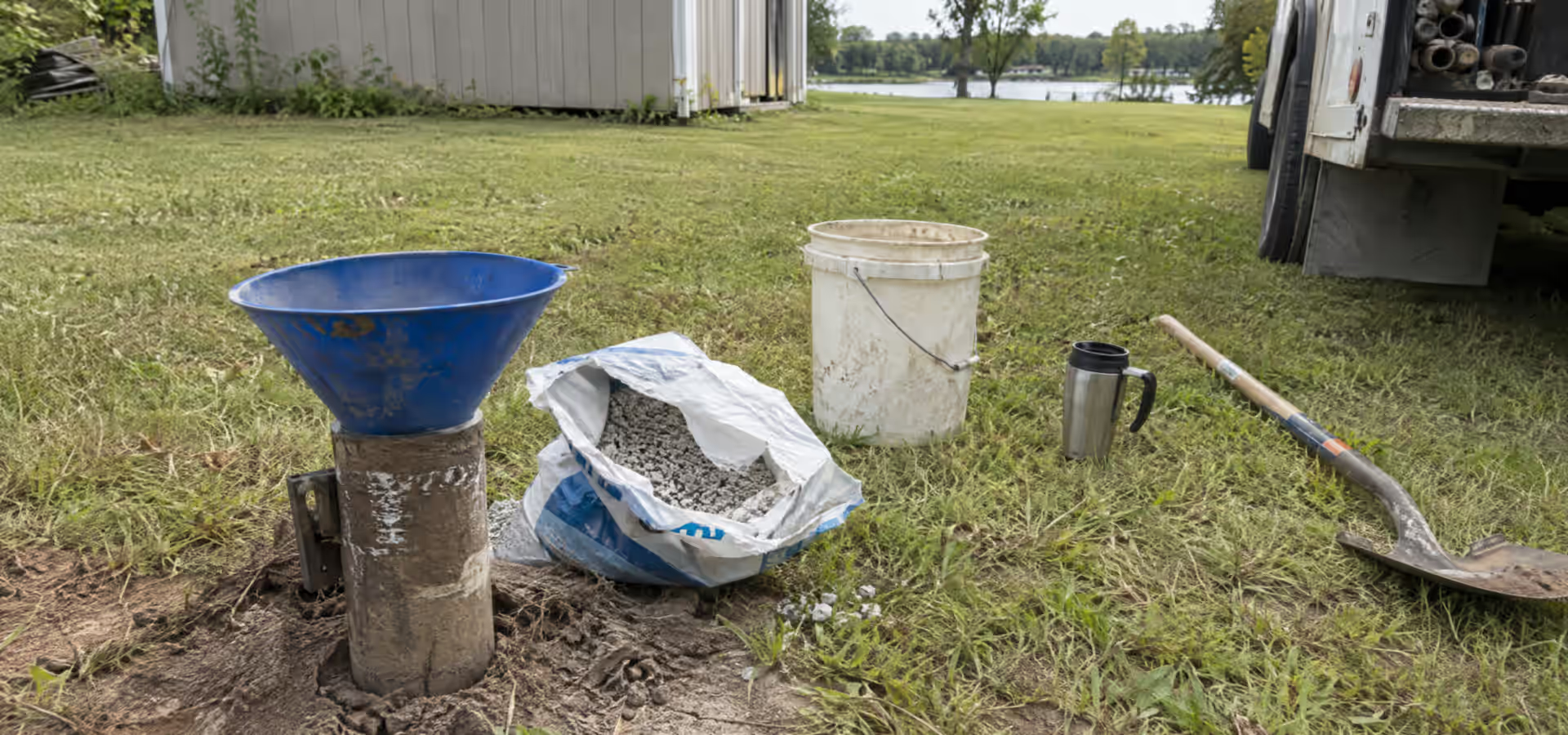
Somebody put a paving slab over it in 1994. That is not a sealed well. That is a covered hole with a slab on it.Cumberland County, NC
Who we work for
- Well and Pump Service for Farms Stock water, wash-down, irrigation and a farmhouse on one well. Sized on sustained draw, not acreage.
- Well Service for Mobile Home Parks Shared supply with tenants attached. Past 15 connections it stops being a private well at all.
- Well Service for Churches and Camps Idle most of the week, then a full building. The hardest duty cycle in private water supply.
Want it priced properly?
On-site estimates are free, itemized, and written down before any work starts.
Questions we get asked
Do I have to seal an old well I am not using?
1 rule covers it: 15A NCAC 02C requires abandoned wells sealed to full depth. An unused bore is an open pathway into the aquifer, and the obligation is not satisfied by covering the top.
Can I just put a cap on it?
2 different jobs get confused here. A watertight cap keeps a sound well safe while it is temporarily out of use. Abandonment permanently seals the bore and is what applies to a well you will never use again.
What happens to an unsealed abandoned well?
1 clear bore carries surface water, fertilizer and fuel straight past every soil layer that would otherwise filter them. The effect reaches the shared aquifer rather than stopping at the property boundary.
Does an old well affect a property sale?
1 undocumented casing is enough to hold up a closing. An abandonment recorded with the county is the evidence that the well is closed, and without it the well looks open on paper regardless of what was done.
Who abandons old wells near me?
Fayetteville Well Pump Repair seals and documents abandoned wells across Fayetteville and Cumberland County, removing the pump and pipe first and grouting from the base of the bore upward.
How is a well properly abandoned?
1 direction matters: from the bottom up. Pump, drop pipe and wire come out, grout is placed from the base so no voids remain, the casing is cut below grade and the work is recorded.
Abandonment is the least visible work on a well system and the only kind whose consequences reach past the property line. It gets done once, it gets documented, and it removes a liability that otherwise transfers with the deeds. Where the old well is being replaced, water well drilling covers the new one, and well casing repair covers whether the existing one is worth saving first.