A well that ran dry is usually telling you the pump is set too high, not that the water is gone. That difference matters, because one answer costs hours of work and the other costs $6,500 to $11,500. At Fayetteville Well Pump Repair, we measure your water level, recovery rate and pump setting before anyone mentions drilling. Our well pump cost page carries the ranges for the repairs that usually fix it.
The pattern matters more than the event. Water that quits during a long irrigation run and comes back within an hour is a drawdown problem. Your pump is pulling the water down faster than the ground refills it. Water that never comes back is a different conversation, and it is much rarer of the two.
Wells here run 100 to 250 ft, shallower than the fractured rock of the Piedmont, and they draw from sand rather than cracks in stone. Sand refills steadily and predictably. So a well in this county that quits under load and refills afterwards is behaving normally for its ground and badly for its pump setting.
What is actually wrong
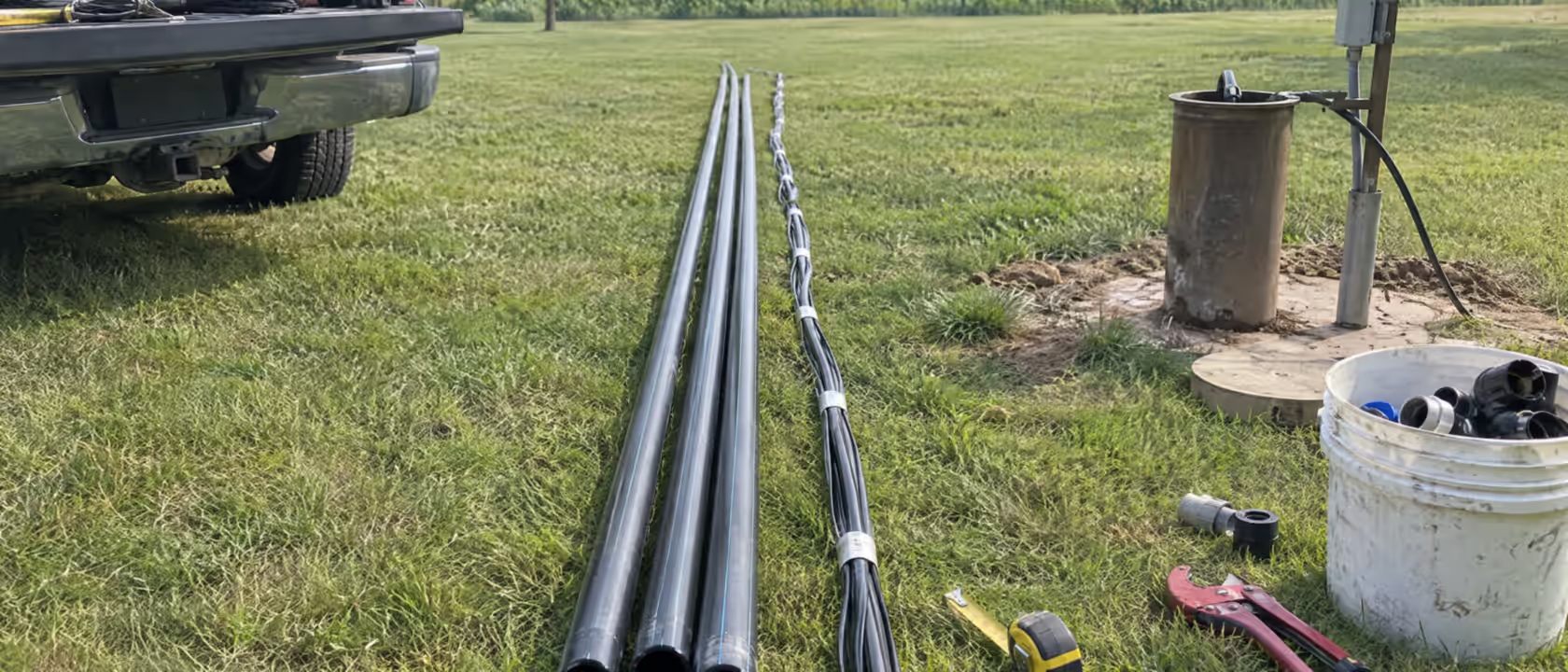
Your pump sits too high in the casing
A pump set 30 ft off the bottom loses water as soon as summer drawdown takes the level past it. The same pump lowered another 20 ft never notices. Setting depth gets decided on install day and almost never revisited. If your casing has depth to spare, we lower the pump with extra drop pipe and a fresh splice above the Merrill pitless adapter. That is hours of work, not a new well.
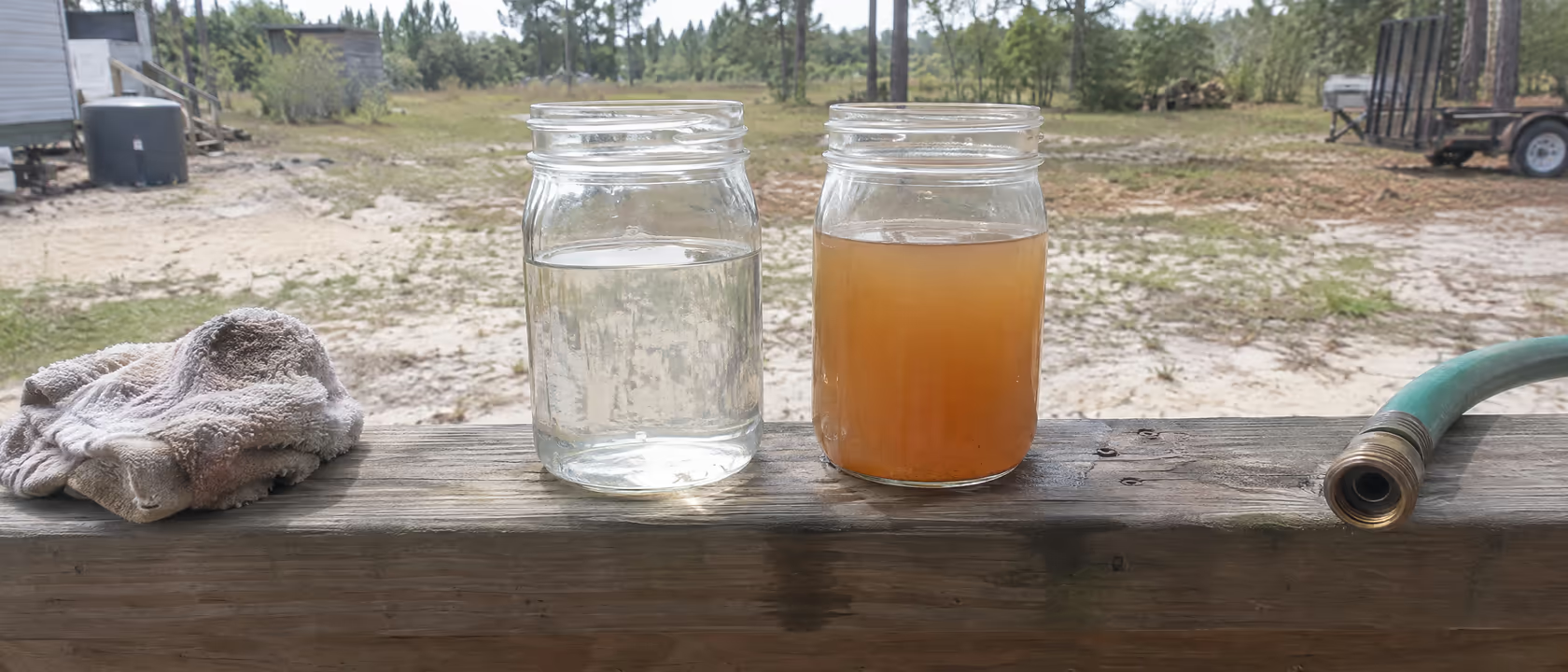
You are using more than the ground can feed
Irrigation, livestock and a household on one modest well will out-draw the refill rate on a hot week. Nothing is broken. We fit a Grundfos SQE running at reduced flow, or add a storage tank ahead of the demand. Either one fixes it without touching your well, because the limit is the ground rather than the pump.
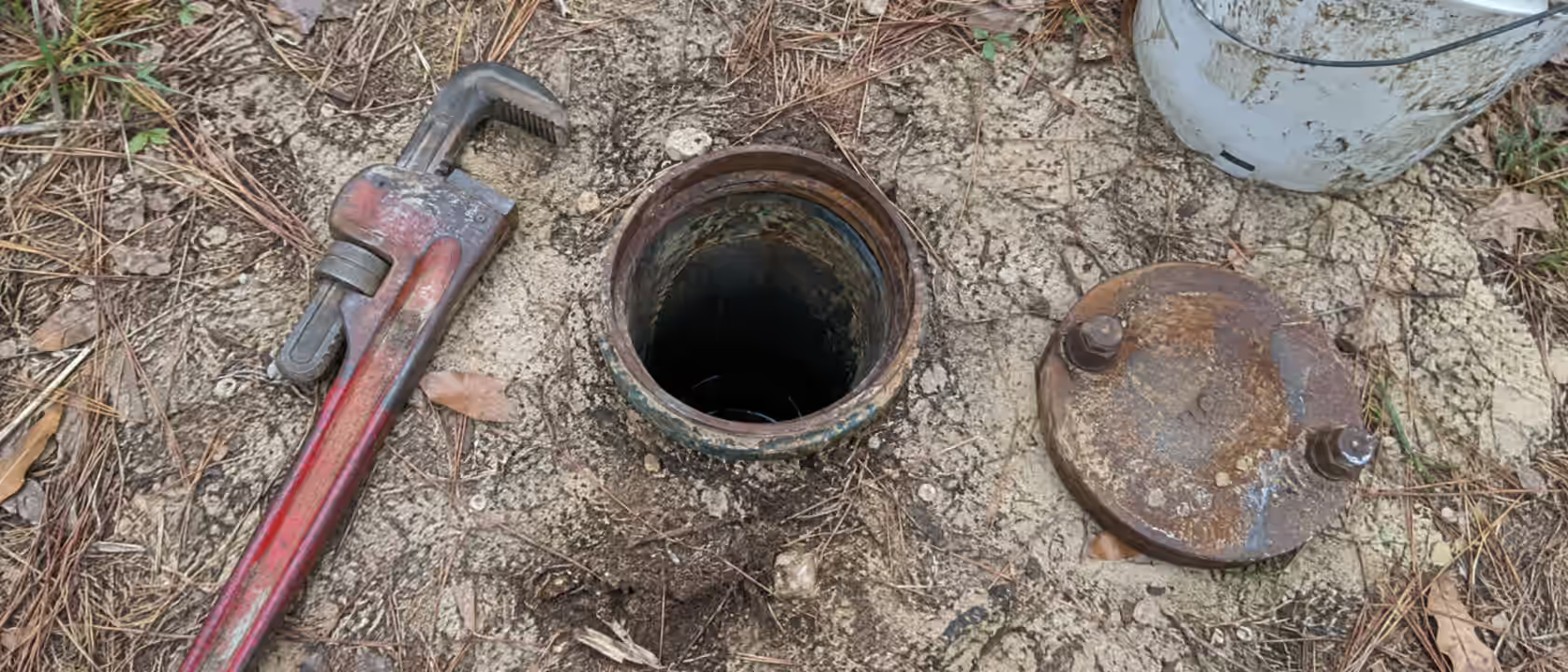
The intake has silted up
A sand well takes in fine grit over decades and it settles at the bottom. Eventually it buries your intake and wears out the Goulds pump end that has to pass it. The symptom looks exactly like a falling water table. We run a camera down the well and read your record to see which one it is, and silt is often recoverable.
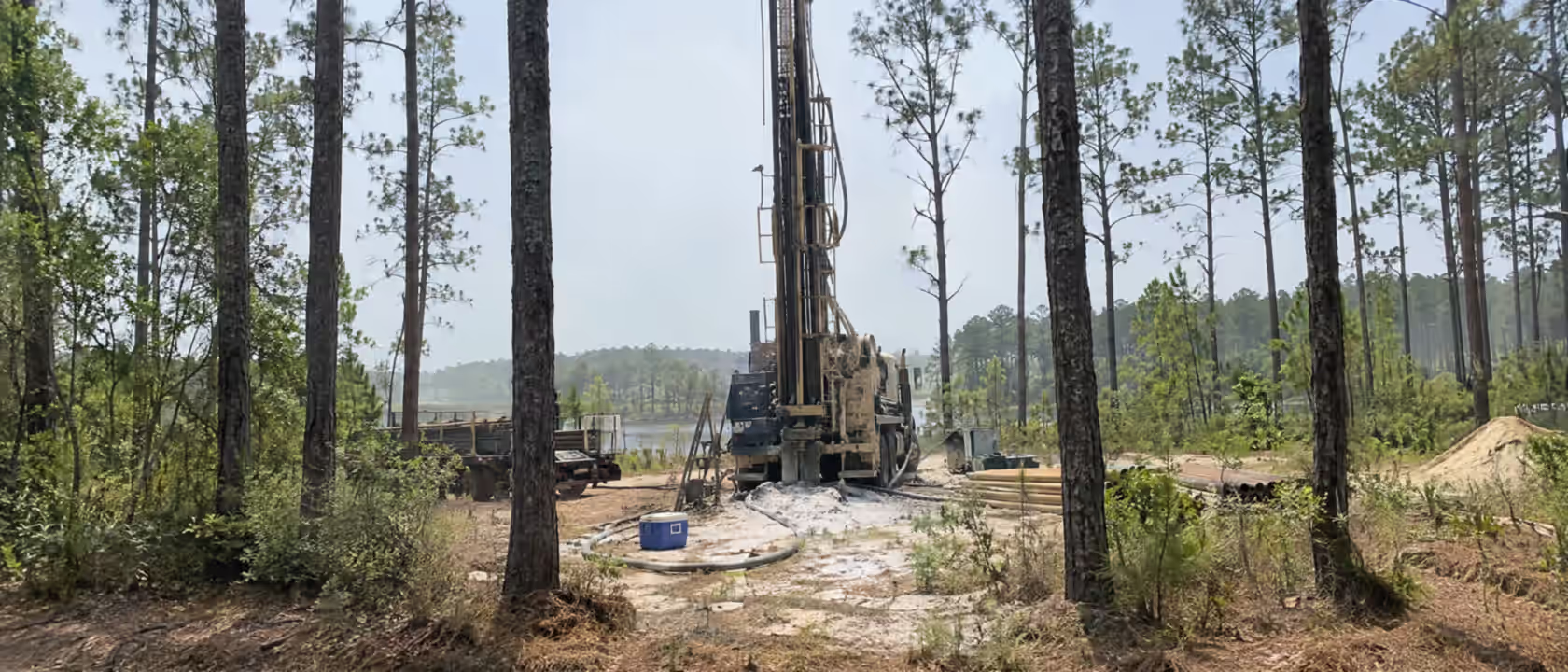
The water table really has dropped
This is the real one, and it is the minority of these calls. If a tape shows your water well below the historic reading and it refills slowly, the choices are deepening the well you have or drilling a new one. Both are set out on well deepening. We will not quote either before a recovery test has run.
How we work it out
-
Stop drawing and time the return
We stop the draw and time how long the water takes to come back. Recovery time is the single most useful number on a dry-well call. An hour means a setting problem. Days point at the ground itself.
-
Tape the water level
We measure your level against the depth on the well record. That shows how much water is left and whether your pump is anywhere near it.
-
Run a drawdown test
We run the pump 1 hour at design flow to get the rate your well can actually sustain. Sizing off a still-water reading is exactly what put your pump above the water in August.
-
Price the cheap answers first
We price the cheap answers first. Lowering your pump, adding an Amtrol Well-X-Trol tank sized for real drawdown, or cutting flow all cost a fraction of drilling. We work through all three before anyone talks about a rig.
What has to be true before anyone quotes a new well
A recovery test comes before a rig
A well quoted for replacement with no measured recovery rate has not been diagnosed. It has been guessed at. The test costs one visit. A new well under 15A NCAC 02C is a permitted construction with casing and grouting rules, so the gap between the two decisions is thousands of dollars.
Deepening is not always possible
Whether your well can be deepened depends on its casing, its width and the ground below it. All three sit on the well record filed with NC DEQ. If the record is missing, a camera down the well establishes the same facts before you commit to anything.
A new well has to be sited, not just drilled
Setback from your septic drainfield governs where a replacement well can legally go. On a small rural lot that decides the location before geology gets a vote. A quote that names a price without naming a spot has skipped the step that decides whether the price holds.
Numbers worth knowing
| Typical local depth | 100 to 250 ft |
|---|---|
| Aquifer type | Coastal Plain sand |
| Setting problem signature | Returns within an hour |
| Formation problem signature | Slow recovery |
| Drawdown test | 1 hour at design flow |
| New well | $6,500 to $11,500 |
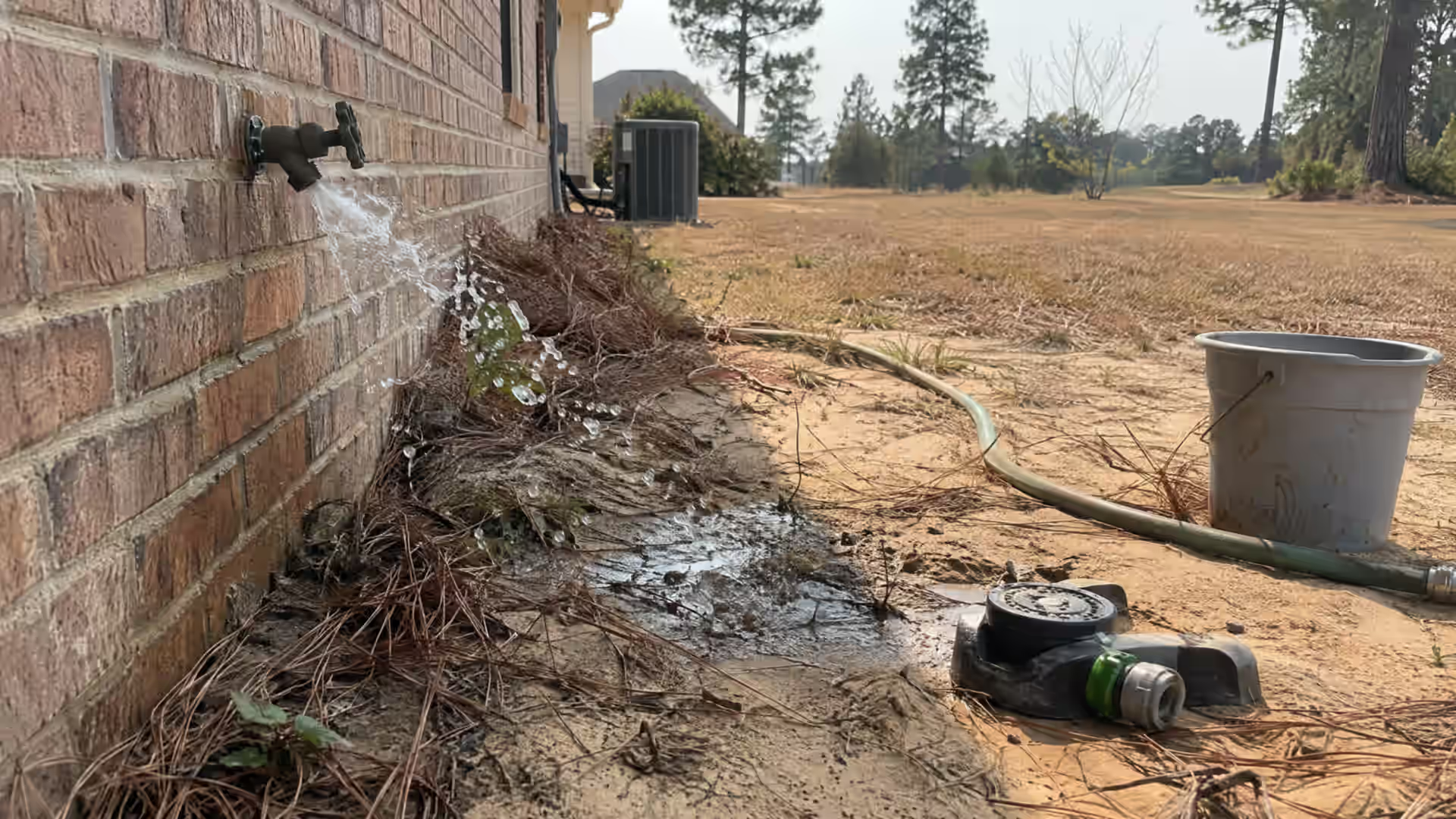
A complete residential well in the Fayetteville area runs $6,500 to $11,500. Coastal Plain sand drills faster and shallower than the Piedmont rock an hour west, which is why the same well costs less here than it does in Raleigh.
| What the job is | Typical range | Unit |
|---|---|---|
| Complete well, Coastal Plain (Fayetteville, Cumberland County)Typical depth 100 to 250 ft. Sand aquifers drill fast and predictably. | $6,500 – $11,500 | complete |
| Complete well, Sandhills transition zoneTypical depth 150 to 350 ft. West of the county line the geology starts changing. | $8,000 – $13,500 | complete |
| Complete well, Piedmont (for comparison)Fractured crystalline rock means slow drilling and real dry-hole risk. Not our geology. | $9,200 – $16,500 | complete |
| Drilling rate, North CarolinaExtra footage to reach a reliable aquifer bills at the same per-foot rate. | $28 – $60 | per foot |
| Casing, Coastal PlainCheaper here than the $1,200 to $3,000 a Piedmont well needs. | $400 – $1,200 | installed |
| Cumberland County well permitPaid to the county health department. A house well is $320 including the inspection and the bacteria, chemistry and nitrate samples; an irrigation or agricultural well with no sample is $275, from the county fee schedule posted in 2022. Well construction cannot legally start without it. | $275 – $320 | permit |
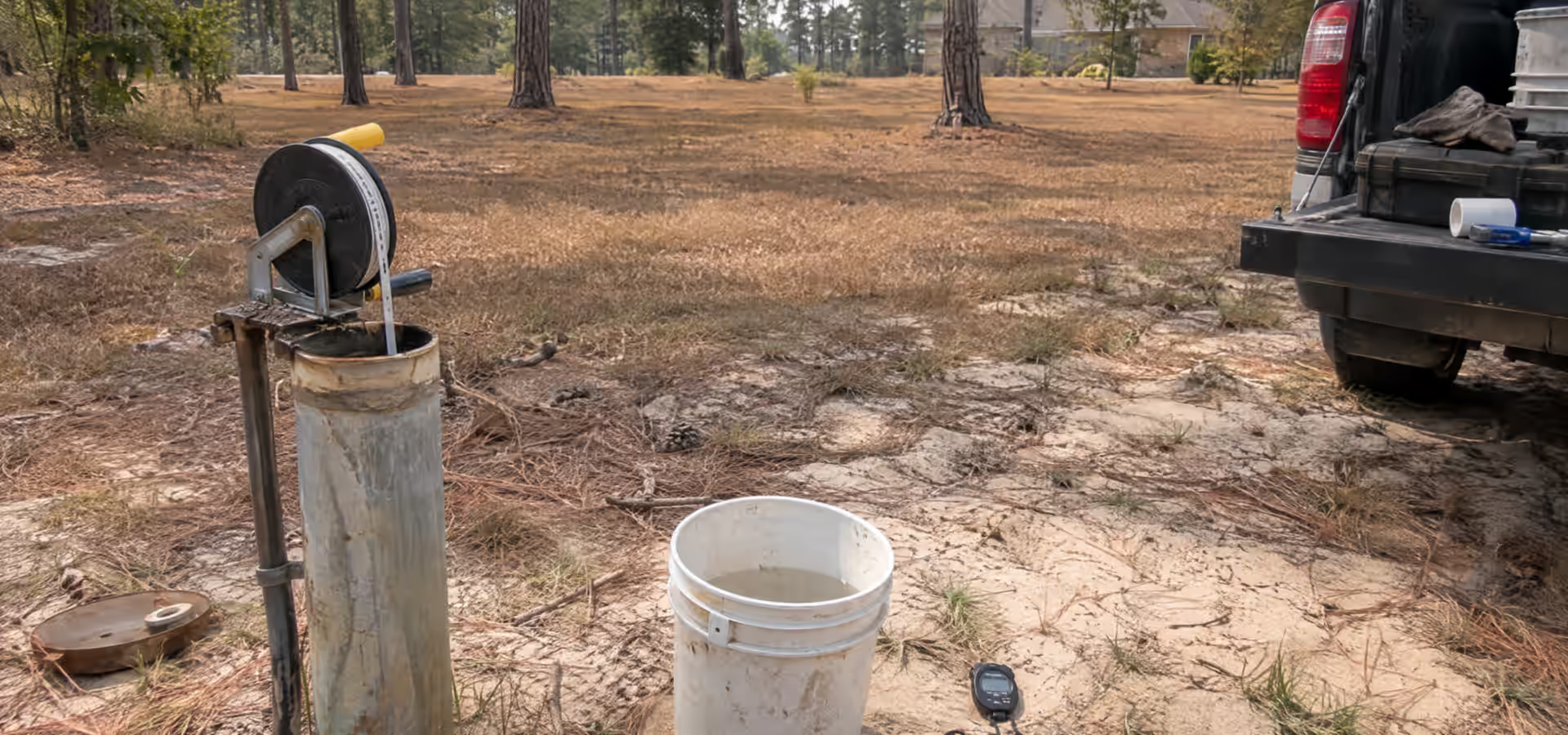
Most wells we are called to replace in August are full again by October. The pump was in the wrong place, not the water.Cumberland County, NC
Who we work for
- Well and Pump Service for Farms Stock water, wash-down, irrigation and a farmhouse on one well. Sized on sustained draw, not acreage.
- Well Service for Mobile Home Parks Shared supply with tenants attached. Past 15 connections it stops being a private well at all.
- Well Service for Churches and Camps Idle most of the week, then a full building. The hardest duty cycle in private water supply.
No water this morning?
Tell us what the pump is doing and we will tell you what it costs to put right.
Questions we get asked
Why did my well run dry and then come back?
1 hour of recovery points at drawdown rather than depletion. The pump is drawing the column down faster than the sand formation refills it, and the level returns as soon as demand stops.
Can the pump just be lowered?
20 ft to 30 ft of unused casing is common, and where the well record shows it, lowering the pump is a few hours of work against the $6,500 to $11,500 a new well costs.
How deep are wells around here?
100 to 250 ft is the normal range on the Coastal Plain, against 150 to 500 ft in the Piedmont. Sand aquifers sit shallower and recover more steadily than fractured rock does.
How do I know if the aquifer has actually dropped?
2 measurements settle it: static level taken with a tape and compared against the figure on the well record, then a timed recovery after a controlled draw. Opinions about the water table are not a substitute for either.
Who fixes a well that ran dry near me?
Fayetteville Well Pump Repair runs dry-well diagnosis across Fayetteville and Cumberland County, measuring level and recovery before any conversation about deepening or drilling begins.
Should I stop using water until someone comes out?
Yes. A Franklin Electric motor is cooled by the water moving past it, so a pump breaking suction on a well that has quit runs hot, and that turns a setting problem into a $1,500 to $2,500 replacement as well.
Running out of water is the well problem most likely to be answered with the most expensive possible solution, and the reason is that panic and a quiet phone make a bad combination. A tape, a stopwatch and the well record cost a single visit and rule out the drilling conversation in most cases. Where the well genuinely cannot supply the property, water well drilling sets out what a new one involves at Coastal Plain depths.