Deepening extends the well you already have instead of drilling a new one. Where your construction allows it, the saving is large: new footage at $28 to $60 per ft against $6,500 to $11,500 for a complete well. At Fayetteville Well Pump Repair, we find out whether the option exists before quoting it, because your casing width and grouted depth decide the answer and neither is visible from the surface. Rates sit on our well pump cost page.
Wells go short for two reasons. Your water level has fallen and the pump can no longer stay underwater through a normal summer. Or the demand on your property has grown past what the current depth can supply. Deepening fixes both by reaching further into the ground.
Whether you can do it is a construction question. The rig has to fit down your existing casing, so the width matters. The casing also has to be sound enough to work through without collapsing. A steel casing that has rusted for forty years is often a candidate for replacement rather than extension. We make that call with a camera, not an opinion.
What is actually wrong
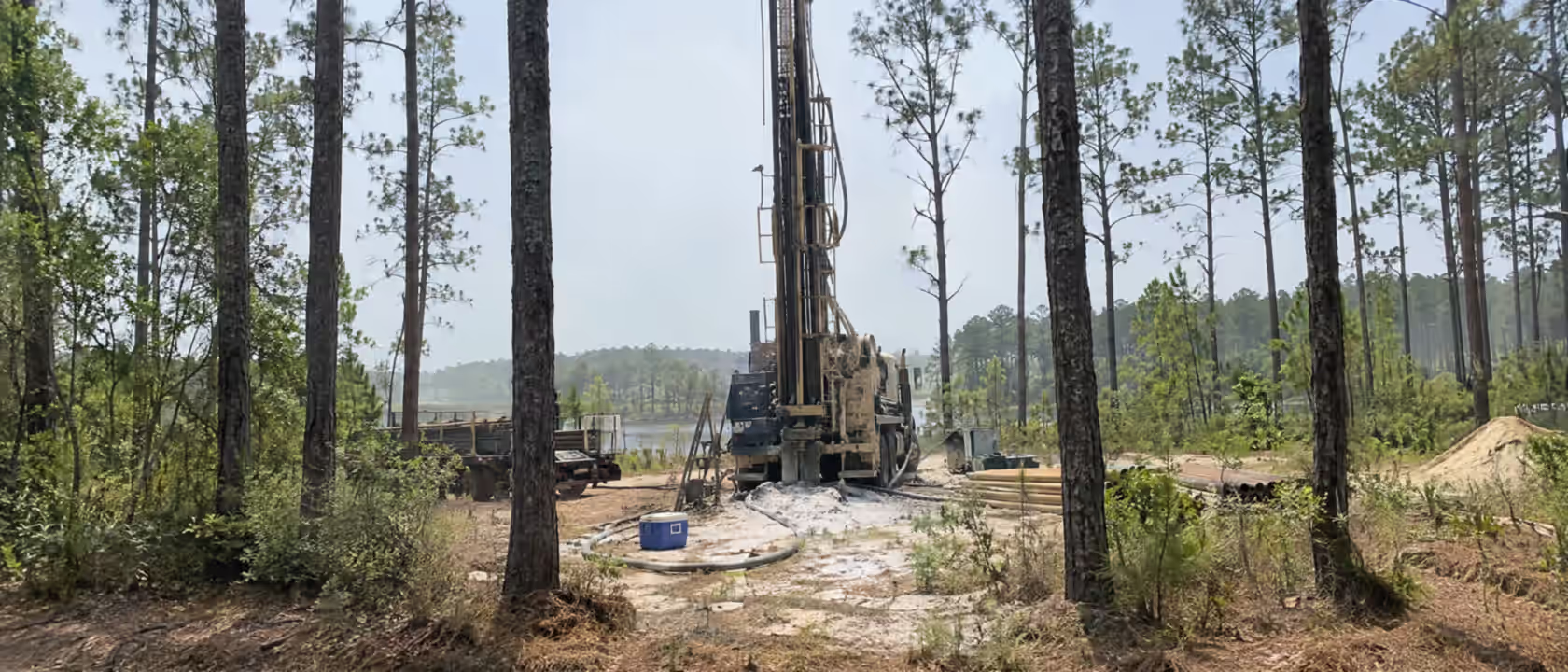
Deepening inside your existing casing
This is the best case. We work the rig down the hole you already have and extend it into the ground below. Your well keeps its original casing, its grout and its record. You pay the drilling rate of $28 to $60 per ft for the new footage only, which is why the saving against a complete well is so large.
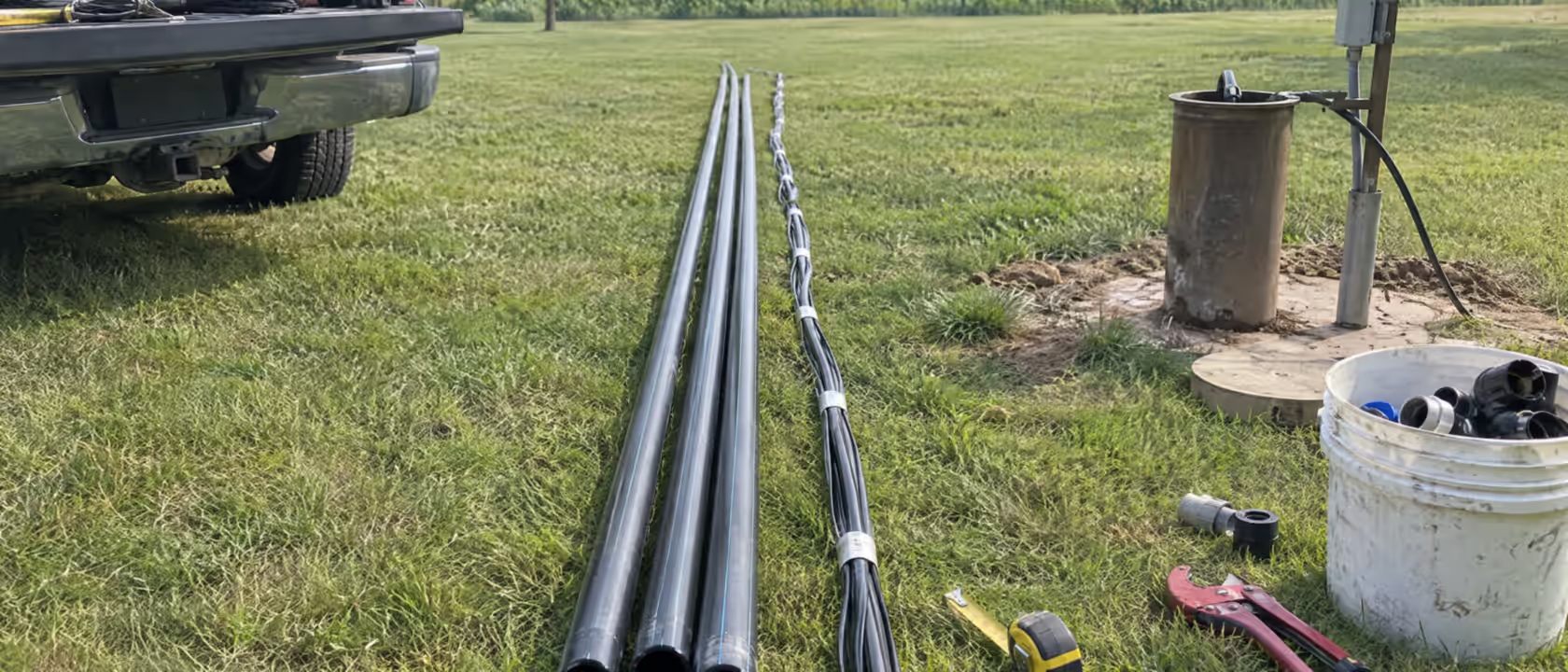
Lowering the pump instead
Before we drill anything we ask the cheaper question. If your well record shows unused depth below where the pump currently hangs, adding drop pipe and re-splicing above the Merrill pitless reaches deeper water for a fraction of a deepening. A well that has run dry covers when that is enough on its own.
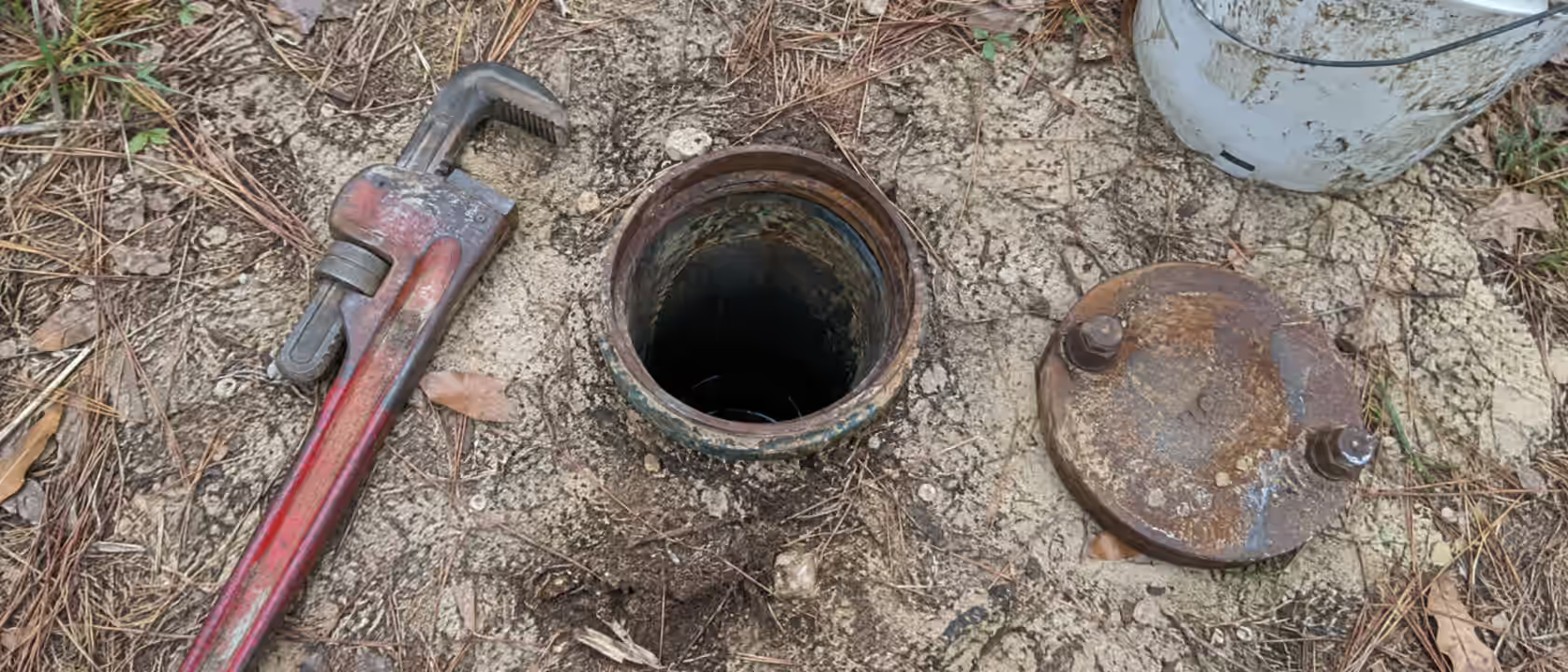
Liner and casing repair at the same time
If the camera shows rust in your upper casing, a liner can restore the barrier while we extend the well. A new Baker Water Systems cap goes on at the end either way. Doing both in one trip costs far less than two separate visits, which is why the survey is worth running before you commit to anything.
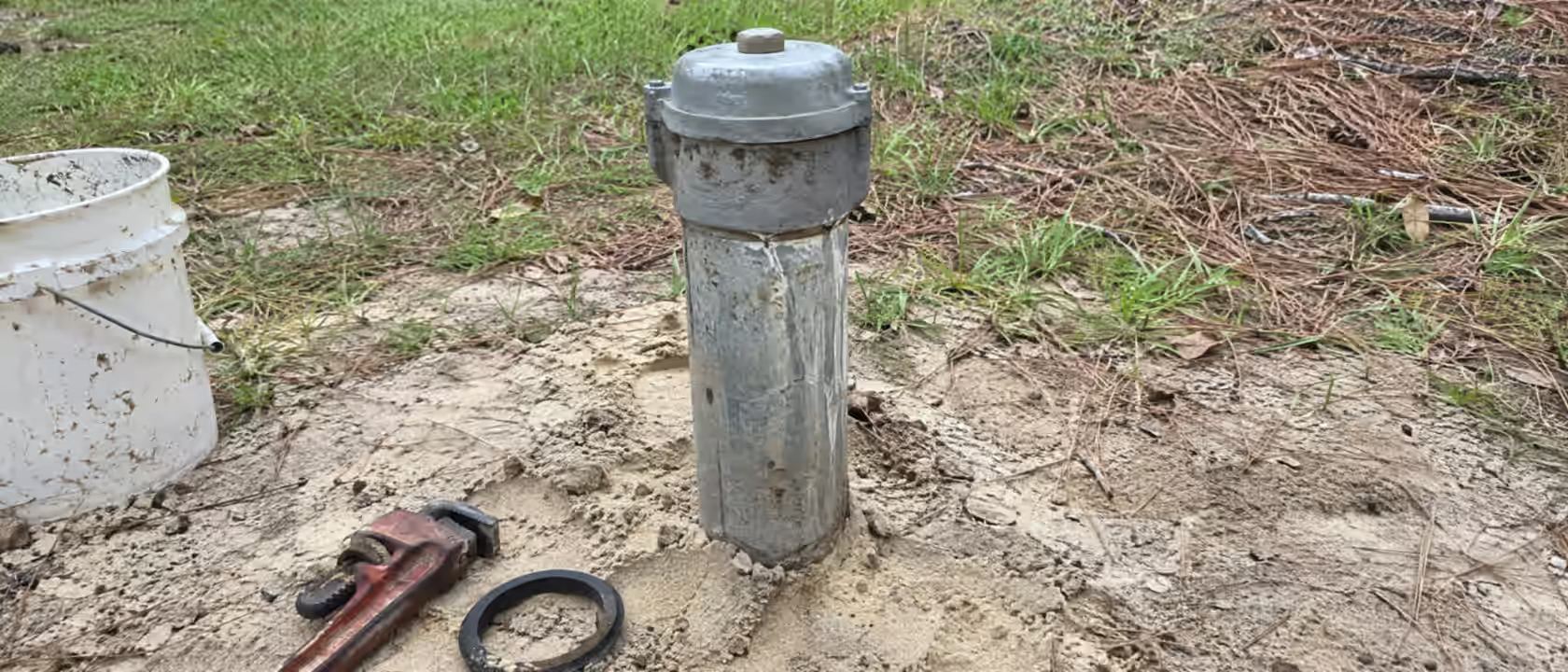
When a new well is the honest answer
A casing too narrow to work through rules it out. So does a hole inside the water-bearing layer, or a well sited too close to your septic drainfield. In those cases we will not extend the bore, because it spends your money on a well that cannot be made right. New drilling is the correct answer instead.
How we work it out
-
Measure before assuming
We measure your water level, recovery rate and current pump setting before assuming anything. A well that recovers within an hour has a setting problem, not a depth problem, and that costs hours instead of thousands.
-
Read the well record
We read your well record. Casing width, casing depth and the grouted section filed with NC DEQ decide whether the rig can work down your existing hole at all.
-
Run a camera
We run a camera down the hole. Rust, failed joints and the condition of the screen are all visible directly, and that is what separates a well worth extending from one worth replacing.
-
Extend, develop and retest
We drill the new footage, develop the well until it runs clear, then test the yield again. That way your Goulds pump end and its Franklin Electric motor get sized against the well as it is now.
The construction rules still apply to an extended well
Depth changes what your well draws from
Going deeper can put you into a different water layer with different chemistry. 15A NCAC 02C governs how those layers stay separated. So we sample a deepened well again rather than assuming it carries the same water it did before.
Setback does not change with depth
A well sited too close to a septic drainfield is still too close after you deepen it. Where the separation was never met, extending the hole improves your supply and leaves the compliance problem exactly where it was.
Sample after the work
Any job that opens a well and works down it can introduce contamination. The county health department is where your bacteria sample goes, and it comes after shock chlorination rather than instead of it.
Numbers worth knowing
| Drilling rate | $28 to $60 per ft |
|---|---|
| New well, for comparison | $6,500 to $11,500 |
| Deciding factor | Casing diameter and condition |
| Cheaper alternative | Lower the existing pump |
| Assessment | Camera and well record |
| After the work | Develop, test, disinfect |
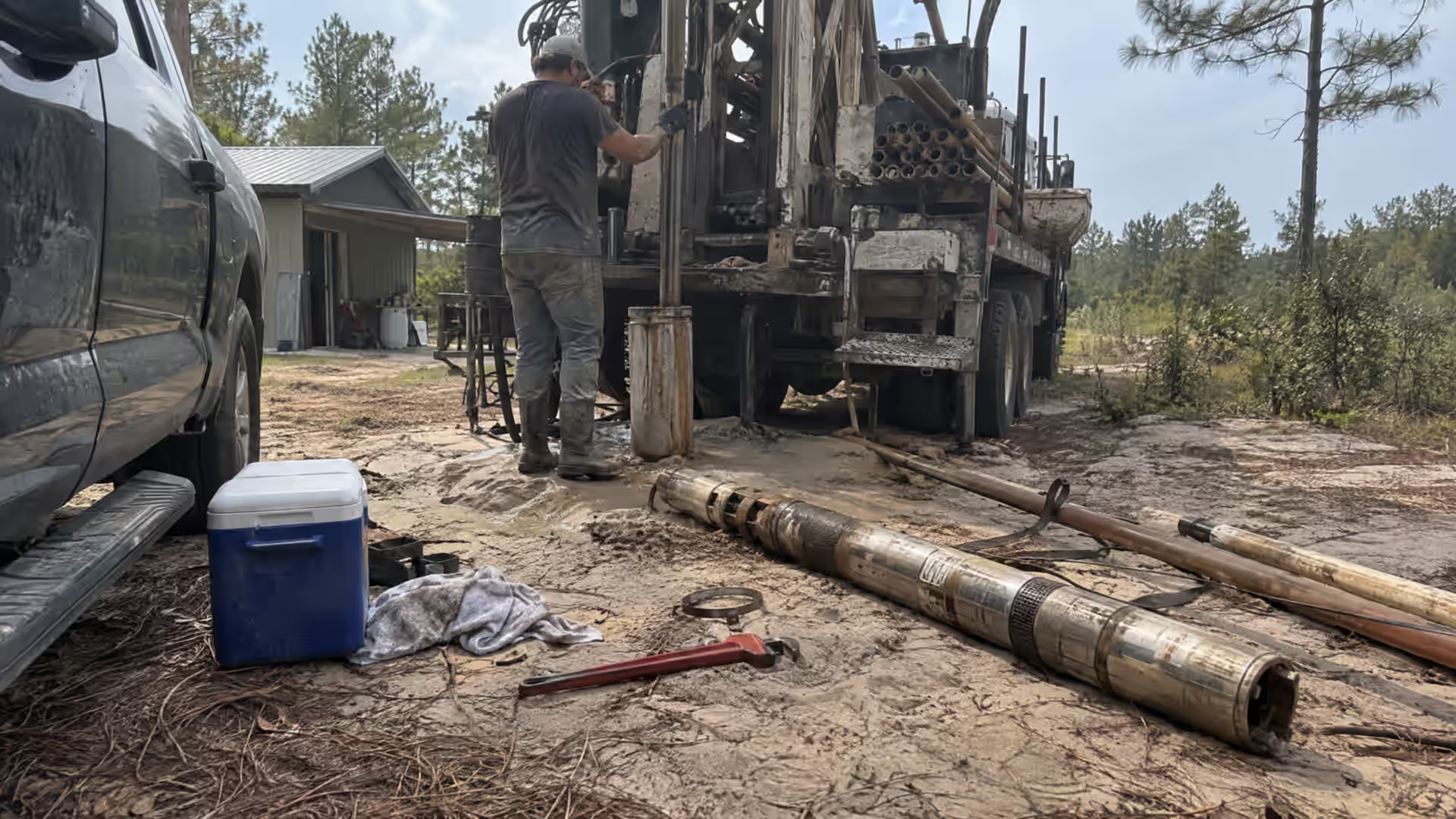
A complete residential well in the Fayetteville area runs $6,500 to $11,500. Coastal Plain sand drills faster and shallower than the Piedmont rock an hour west, which is why the same well costs less here than it does in Raleigh.
| What the job is | Typical range | Unit |
|---|---|---|
| Complete well, Coastal Plain (Fayetteville, Cumberland County)Typical depth 100 to 250 ft. Sand aquifers drill fast and predictably. | $6,500 – $11,500 | complete |
| Complete well, Sandhills transition zoneTypical depth 150 to 350 ft. West of the county line the geology starts changing. | $8,000 – $13,500 | complete |
| Complete well, Piedmont (for comparison)Fractured crystalline rock means slow drilling and real dry-hole risk. Not our geology. | $9,200 – $16,500 | complete |
| Drilling rate, North CarolinaExtra footage to reach a reliable aquifer bills at the same per-foot rate. | $28 – $60 | per foot |
| Casing, Coastal PlainCheaper here than the $1,200 to $3,000 a Piedmont well needs. | $400 – $1,200 | installed |
| Cumberland County well permitPaid to the county health department. A house well is $320 including the inspection and the bacteria, chemistry and nitrate samples; an irrigation or agricultural well with no sample is $275, from the county fee schedule posted in 2022. Well construction cannot legally start without it. | $275 – $320 | permit |
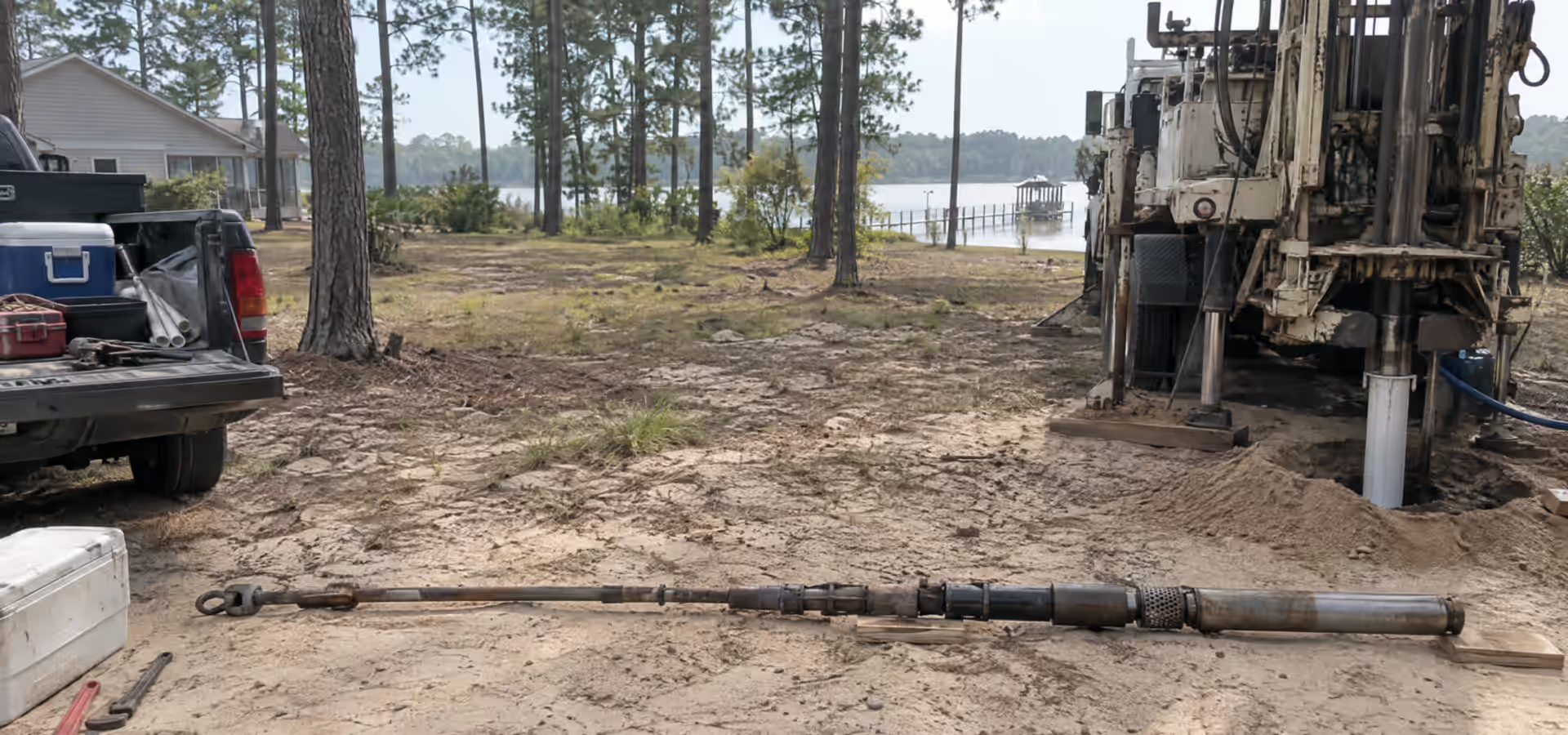
The cheapest deepening is the one that turns out to be unnecessary. Half the wells we survey for it just need the pump lowered.Cumberland County, NC
Who we work for
- Well and Pump Service for Farms Stock water, wash-down, irrigation and a farmhouse on one well. Sized on sustained draw, not acreage.
- Well Service for Mobile Home Parks Shared supply with tenants attached. Past 15 connections it stops being a private well at all.
- Well Service for Churches and Camps Idle most of the week, then a full building. The hardest duty cycle in private water supply.
Want it priced properly?
On-site estimates are free, itemized, and written down before any work starts.
Questions we get asked
Can any well be deepened?
2 things rule it out: a casing too narrow for the rig to work through, and corrosion serious enough that the bore will not hold. A camera survey establishes both before any work is quoted.
How much does well deepening cost?
$28 to $60 per ft covers the new footage drilled, which is why deepening is usually well below the $6,500 to $11,500 a complete new well costs on the Coastal Plain.
Will deepening fix a well that keeps running short?
1 test decides whether depth is even the problem. A well that recovers within an hour of stopping is being outdrawn by the pump rather than running out, and lowering the pump costs far less.
Does deeper water taste different?
1 deeper layer can carry noticeably different chemistry, including more iron or higher hardness. A panel after the work establishes what the well is now producing rather than assuming it is unchanged.
Who deepens wells near me?
Fayetteville Well Pump Repair assesses and deepens existing wells across Fayetteville and Cumberland County, starting with the well record and a camera survey before committing to any footage.
Is deepening always cheaper than a new well?
1 exception matters: a well that cannot be brought into compliance. Where setback was never met or the casing has failed inside the water-bearing zone, money spent extending it is money spent on a well that still has to be replaced.
Deepening sits between a pump adjustment and a new well, and the assessment that places a property on that scale costs a single visit. Static level, recovery time, casing condition and unused depth are the four things that decide it, and none of them can be judged from the surface. Where the well cannot be extended, water well drilling covers the replacement, and well casing repair covers restoring a barrier that has failed.